Win Hearts, Not Battles
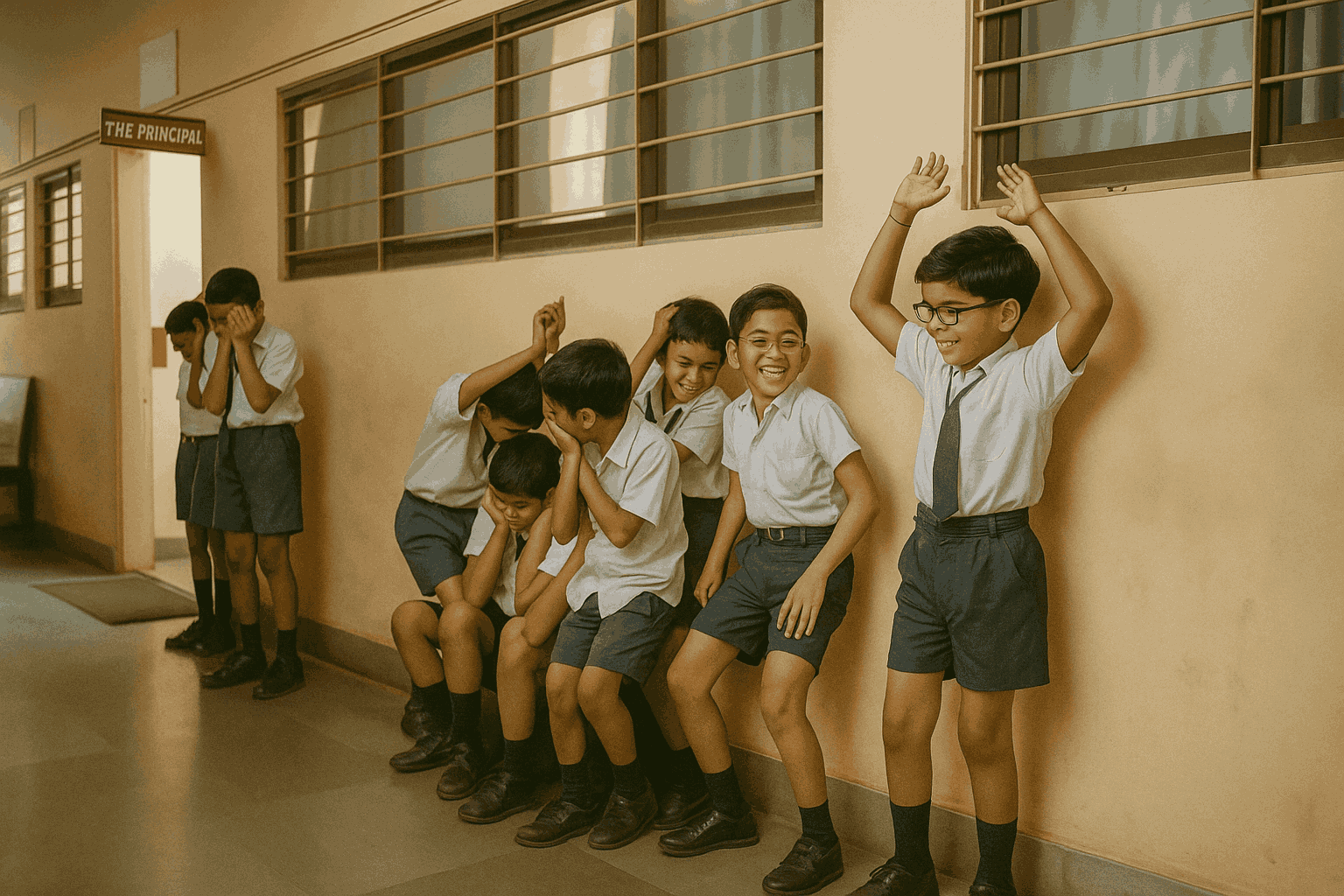
Almost every day, children are brought to the principal’s office.
“She didn’t do her homework.”
“He hasn’t brought his notebook.”
“He never listens in class.”
As a principal, I listen. I guide. But I also believe that the real power to shape a child lies with the teacher—the one who knows the child’s nature, strengths, and struggles on a daily basis.
Let’s be honest. Discipline is not something to be passed on.
The classroom is the teacher’s space to inspire, correct, and connect. The moment a child is sent out—or taken to the principal—it sends a message: “I can't handle this.” And the child knows it. So does the whole class.
Sometimes we give punishments just for the sake of it—stand outside, write lines, sit at the back. But when it becomes routine, children stop taking it seriously. It turns into a show, not a solution.
Instead, use natural and logical consequences. If a child hasn’t done their work, simply ask them to complete it. That’s the consequence. It’s not about making them suffer, but making them responsible.
Punishment should not be a shortcut—it should be meaningful.
Also, don’t fall into the trap of turning discipline into a power game. Children, especially teenagers, love to test limits. And if we treat every situation as a win-or-lose battle, we often lose. They enjoy pushing buttons, especially when the teacher reacts strongly. Screaming doesn't win you respect—it sets the wrong example.
Instead, respond with calm. A quiet, firm teacher is more powerful than a loud one. When you stay in control, you set a strong tone for the class.
Be a reflective teacher.
Ask:
- Why is this child behaving like this?
- What support does he need?
- How can I connect better?
Not all misbehavior is mischief. Sometimes it’s confusion, boredom, or even a cry for attention.
And only after all efforts in the classroom have failed, bring the issue to the principal. Otherwise, you risk losing the trust of your class. If children say, “Even our teacher couldn’t handle him,” it hurts your image.
Remember: you are the leader in the classroom. Children must not fear you—they should respect and trust you. That comes from fairness, patience, and consistency.
Don’t aim to win arguments. Win their attention. Win their effort. Win their trust.
Because in the end, discipline is not about power—it’s about guiding children to take responsibility, helping them grow into thoughtful, accountable individuals.
Let’s not win battles.
Let’s win hearts—and shape character.
Pavan Kumar N R, Principal

Reading Before Rote: Rethinking the Basics
In classrooms across schools, teachers often say, “The child lacks the basics.” But what are these basics? More often than not, it's not about the subject. It’s about language.
When a child cannot listen, understand, or read and comprehend what’s being taught, how can we expect them to learn? The real basic is the ability to read and understand the language of instruction. Without this, learning stalls—regardless of the subject.
Children struggling to read often face labels like “slow” or “weak.” They may be punished, pressured, or pushed aside. This damages self-esteem, creates apathy, and distances them further from learning. What they need is support, not stigma.
Start at the Real Beginning
Before expecting comprehension, we must build language fluency. That means starting with:
-
Phonic sounds: Recognising and producing the right letter sounds.
-
Sounding out words: Not spelling by memory but decoding through sound.
-
Loud reading: Practising with a timer—reading the same paragraph two or three times to build speed and fluency.
-
Small wins daily: Let children read simple sentences aloud, and celebrate every bit of progress.
This is not a “remedial step.” It’s the foundation—essential and empowering.
Every Teacher, Every Subject
Subject teachers, too, must acknowledge language as the starting point. If a child doesn’t understand the question in math or science, the issue is not the subject—it’s the medium. Teach the words first, then the topic.
Even Parents Can Help
Even illiterate parents can support:
-
Sit beside the child during reading time.
-
Ask the child to retell the story or paragraph.
-
Play oral games like, “Tell me five words starting with /m/.”
Reading doesn't need a degree—just presence and encouragement.
What Not to Do
Avoid pressuring children to memorize spelling or forcing writing before reading. Avoid punishment. Avoid assuming. Instead, go back to basics with empathy, tools, and time.
Reading is not just a skill; it's the gateway to learning. When a child can read with confidence, all subjects open up to them. Let’s not wait for struggle to become failure. Let’s build the bridge early—because reading is not a part of education; it is half of it.
Pavan Kumar N R, Principal

Examples – The Need of the Hour for Children
"Don't worry that children never listen to you; worry that they are always watching you." — Robert Fulghum
Children learn best by observing the actions of adults rather than simply following instructions. As educators and parents, our behavior, attitudes, and values shape their understanding of the world. Setting the right example is crucial in nurturing responsible and ethical individuals.
Respect and Acknowledgment A culture of respect begins with simple gestures like greeting, appreciating, and acknowledging others. When children see adults demonstrating integrity and honesty, they internalize these values. Teachers who actively participate in assemblies and celebrations instill a sense of unity and belonging in students, making them feel valued and included. A positive environment where kindness and encouragement are practiced daily builds strong character in children.
Embracing Mistakes as Learning Opportunities Children should perceive mistakes as stepping stones to growth rather than failures. Instead of criticism, offering constructive feedback helps build confidence and resilience. Demonstrating dignity of labour by engaging in tasks alongside children teaches them to respect every form of work. Encouraging decision-making empowers students to take responsibility and develop leadership skills. When children understand that learning comes from experience, they become more open to exploring and improving themselves.
Listening and Involvement Active listening fosters trust and open communication. When teachers engage in regular consultations with students, they create an environment where children feel heard and valued. Leading by example, such as cleaning the campus with students, promotes responsibility and care for surroundings. Reinforcing sustainability practices, like judicious paper use, nurtures an awareness of resource conservation. By involving children in meaningful discussions and initiatives, they develop a sense of ownership and responsibility towards their environment and community.
Integrity and Discipline Living with integrity in both public and personal life sets a strong foundation for moral character. By walking the talk, educators ensure that their words align with their actions, reinforcing credibility. Teaching the importance of time management and dedication instills consistency and responsibility. Creating a safe space where students can express their concerns openly fosters emotional well-being and confidence. Encouraging students to share their thoughts and ideas allows them to develop self-assurance and mutual respect.
Creating a Positive Learning Environment A pleasant demeanor, patience, and tolerance contribute significantly to a child’s learning experience. Teachers who maintain composure and positivity help children navigate challenges with grace. Encouraging hard work, perseverance, and curiosity inspires lifelong learning. Promoting gender sensitivity ensures that children grow up valuing equality and respect. Demonstrating variety in learning methods and activities keeps students engaged and motivated to explore different fields of knowledge.
By embodying these principles, we create an environment where children develop into compassionate, responsible, and ethical individuals. Every action we take shapes their mindset, making it essential to lead by example and inspire them to be the best version of themselves. The small yet significant behaviors we exhibit today will shape the future of the next generation.
Pavan Kumar N R, Principal

Getting Children Involved and Interested in Learning
“Tell me and I forget. Teach me and I remember. Involve me and I learn,” quotes Benjamin Franklin.
How does involving students in learning look, particularly in a schooling system?
Let me share an anecdote with you. Our school conducted a two-day residential camp on Leadership Development, which was initially unplanned. A class X student approached the principal with a question: “Why are we being charged for this camp when school fees cover yearlong expenses?” Sensing an opportunity for learning, the principal transparently shared the budget realities. The student, now understanding the costs, was convinced.
Still curious, he questioned the amount being collected. Instead of merely explaining, the principal entrusted him with planning the event to explore cost reductions. The student eagerly accepted and, along with his classmates, calculated expenses. Surprisingly, their estimate exceeded the school’s initial plan. He appreciated the insight and helped meticulously organize the event with his peers.
Had there been no space for questioning, the students would have missed a valuable learning experience. The transparency and open-mindedness of the principal made a significant impact. Believe me! When students witness their teachers' sincere efforts and challenges, their respect for them grows immensely.
Another instance involved class VII students planning their field trip independently. Additionally, our student-run mart, Nammangadi, is a thriving initiative where students purchase supplies using school funds, sell items, manage expenses, track profits, and submit financial reports at the year’s end.
Children give their heart and soul to work when trusted with responsibility. They take ownership of their learning, transforming school into a vibrant, dynamic space. Real learning occurs in the process. Organizing an event teaches students critical skills such as budgeting, delegating tasks, arranging transportation, and effectively communicating with teachers and parents. Running Nammangadi fosters discussions on sustainability, cost negotiations, and financial management, making learning more meaningful and life-centered.
Integrating such activities into the curriculum creates an engaging and purposeful learning environment. These experiences can be documented in students' anecdotal records and portfolios. More importantly, they cultivate confidence and self-esteem, invaluable for lifelong success.
The examples shared are just a glimpse. Schools have ample opportunities to involve students in diverse learning experiences, shaping them into responsible and dynamic citizens. Consider creating such spaces in your own schools. Let students take complete charge of morning assemblies, introduce innovations, participate in school policy-making, and teach peers through the Each One, Teach One initiative. Establish a Students’ Grievance Redressal Committee, allowing them to resolve challenges independently. Encourage the student council to organize events, even if just a few to start with.
Teachers can do much within the classroom itself. If we truly regard children as key partners in education, we as educators and administrators must be accountable to them. It is our duty to ensure that every child receives the best possible learning experience during these formative years. Every child deserves a space to grow, and we are bound to provide it.
Pavan Kumar N R, Principal
Planting the Seeds of Learning : My Experience in Designing Baseline Test
Becoming a schoolteacher at PACE International School fulfilled a long-cherished dream. Though excited, I was initially unsure about managing responsibilities in a new environment. With consistent support from our Principal Sir, colleagues, my family, and tools like ChatGPT, I quickly found my footing. One of my first major tasks was to draft Baseline Test papers for Grades 4–7 in Science and Mathematics — a task that turned into a valuable learning experience.
What is a Baseline Test?
A Baseline Test is conducted at the start of the academic year to assess students' understanding of the previous class's concepts. It helps teachers identify learning gaps and plan lessons accordingly.
Why It Matters
Baseline tests:
-
Gauge current learning levels
-
Identify specific learning gaps
-
Help tailor teaching strategies
-
Track student progress
-
Involve parents in the learning journey
My Process
I followed a structured process:
1. Studied Learning Outcomes:
I began by understanding the expected learning outcomes of the previous class.
2. Referred to NCERT Textbooks:
I used these as primary references to stay aligned with the curriculum.
3. Selected Key Concepts:
Focused on simple, core concepts to assess foundational understanding.
4. Framed Clear, Age-Appropriate Questions:
I used simple language, short sentences, and examples children could relate to.
5. Included Varied Question Types:
Objective, short answer, and activity-based questions ensured balanced assessment.
Example: “Name any two animals that live in water.” or “Circle the objects that float.”
6. Used ChatGPT for Support:
It helped refine questions, simplify language, and check grammar.
7. Reviewed & Finalized:
After self-evaluation, I sought feedback from colleagues and made necessary edits.
What I Gained
-
Confidence in designing assessments
-
Deeper clarity of concepts and outcomes
-
Awareness of child-centric questioning
-
Appreciation for collaborative planning and digital tools
Why It’s Meaningful
| For Students | Builds comfort and revisits key concepts |
|---|---|
| For Teachers | Supports targeted teaching strategies |
| For Parents | Offers insight into their child’s needs |
| For Schools | Strengthens planning and tracking |
Final Thoughts
Preparing Baseline Test papers was not just a responsibility, but a stepping stone in my journey as a teacher. It helped me grow professionally and understand how thoughtful assessment can positively shape student learning.
"Every test is a tool — not to label a child, but to guide them better."
I now look forward to more such opportunities that enhance both teaching and learning.
Sinchana D H, Teacher
ಕ್ರಿಸಲೀಸ್ - ಆಲೋಚನಾ ಕೋಣೆ
ಎಲ್ಲರಿಗೂ ಹೃತ್ಪೂರ್ವಕ ನಮಸ್ಕಾರಗಳು,
ಪ್ರಜ್ಞಾ ಎಜುಕೇಶನ್ ಟ್ರಸ್ಟ್ ಈಗ ಪ್ರಾಥಮಿಕ ಶಿಕ್ಷಣದ ಹಂತದಲ್ಲಿಯೂ ಹೆಜ್ಜೆ ಇಟ್ಟಿದೆ ಎಂಬುದು ಹೆಮ್ಮೆ ಹಾಗೂ ಹರ್ಷದ ವಿಷಯ. ಇದರ ಮೊದಲ ಹೆಜ್ಜೆಯಾಗಿ, ಪೇಸ್ ಇಂಟರ್ ನ್ಯಾಷನಲ್ ಸ್ಕೂಲ್ ನಮ್ಮ ಪೇಸ್ ಪಿಯು ಕಾಲೇಜು ಆವರಣದಲ್ಲಿ ಶುಭಾರಂಭಗೊಂಡಿದೆ.
ಈ ಶಾಲೆಯು ಮಕ್ಕಳಲ್ಲಿ ಆಲೋಚನೆ, ಸಂವಾದ, ಮೌಲ್ಯ ಹಾಗೂ ಸೃಜನಶೀಲತೆ ಬೆಳೆಸುವಂತೆ ರೂಪುಗೊಂಡಿದೆ. ಇದರ ಶ್ರೇಷ್ಠತೆಗೆ ಸಾಕ್ಷಿಯಾಗಿ, ನಮ್ಮ ಪಾಠಯೋಜನೆ ಮತ್ತು ತರಗತಿಗಳನ್ನು ಕ್ರಿಸಲೀಸ್ ಸಂಸ್ಥೆಯ ಸಹಯೋಗದೊಂದಿಗೆ ರೂಪಿಸಲಾಗುತ್ತಿದೆ.
ಈ ಪರಿವರ್ತನೆಯ ವಿವಿಧ ಹಂತಗಳು ಹೀಗಿವೆ:
೧. ತರಗತಿಕೋಣೆ → ಆಲೋಚನಾ ಕೋಣೆ
ಪಾಠವನ್ನ ಮೀರಿದ ಬದುಕನ್ನೂ ಚರ್ಚಿಸಲು ಮಕ್ಕಳಿಗೆ ಒದಗಿಸಲಾದ ಜೀವಂತ ಪರಿಸರ.
೨. ದಿನಚರಿ ವೈಶಿಷ್ಟ್ಯಗಳು:
-
ಭಯವಿಲ್ಲದ, ಆಪ್ತತೆಯಿಂದ ಕೂಡಿದ ಕಲಿಕಾ ವಾತಾವರಣ
-
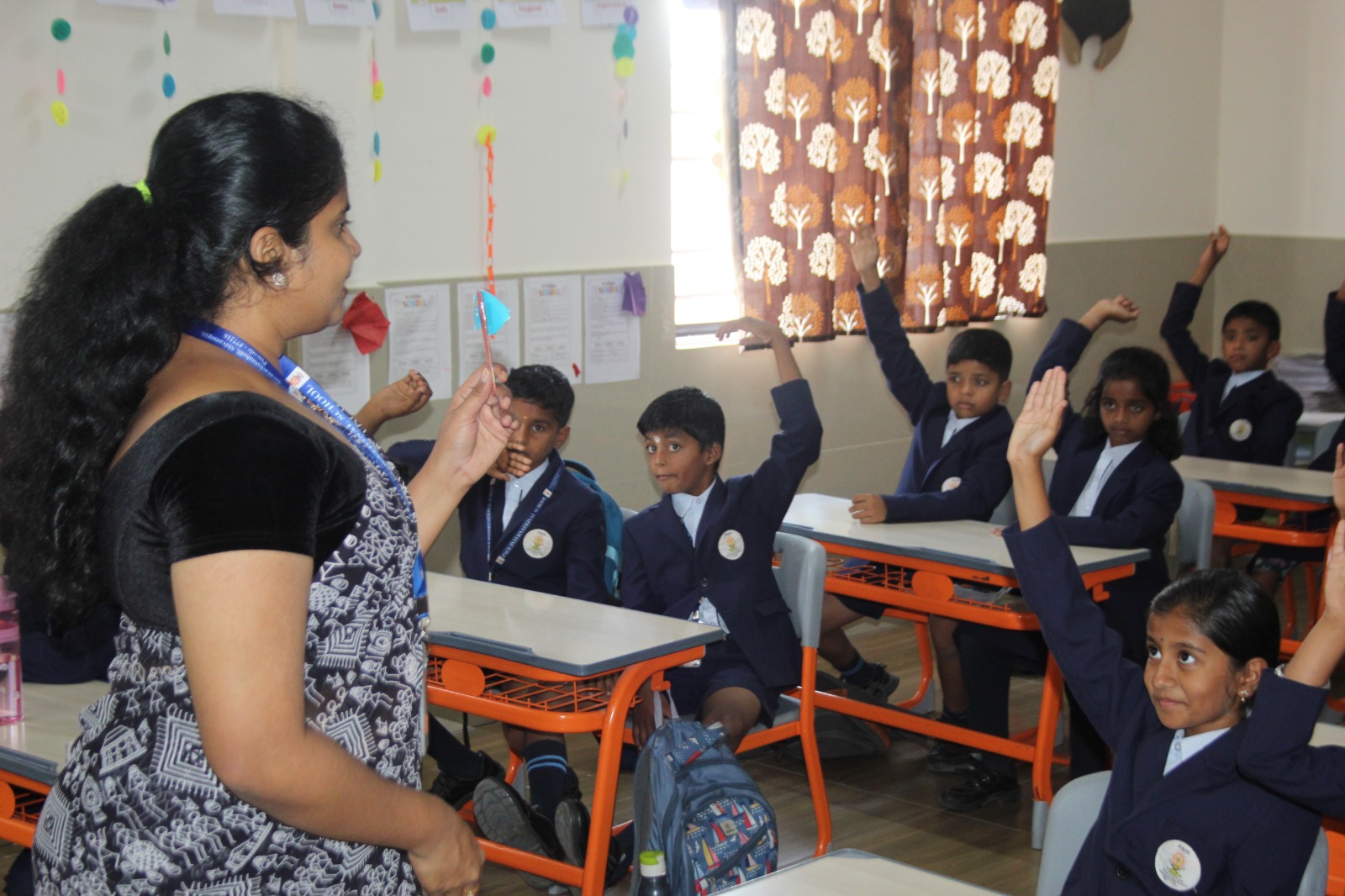
ಮಾತನಾಡಲು ಮುನ್ನ ಬಲಗೈ ಚಾಚುವ ಅಭ್ಯಾಸ
-
ಪ್ರತಿಯೊಬ್ಬ ವಿದ್ಯಾರ್ಥಿಗೆ ಅವಕಾಶ ಸಿಗುವಂತೆ ‘ಮ್ಯಾಜಿಕ್ ಬಾಕ್ಸ್’
-
ಗುಂಪು ಉತ್ತರಗಳಿಗೆ ಅವಕಾಶವಿಲ್ಲ
-
ಶಿಸ್ತಿನೊಂದಿಗೆ ಸಮಯಪಾಲನೆ
೩. ಕಲಿಕಾ ಫಲ ಲಕ್ಷ್ಯಗಳು:
ಬೋಧಕರಿಗೆ ಸ್ಪಷ್ಟ ಕಲಿಕಾ ಫಲಿತಾಂಶಗಳೊಂದಿಗೆ ತರಗತಿಗೆ ಪ್ರವೇಶಿಸುವ ಪ್ರಥಮ ನಿಯಮ
೪. ಬ್ರೈನ್ ಬಟನ್ ಚಟುವಟಿಕೆ:
ಮಕ್ಕಳ ಬುದ್ಧಿಶಕ್ತಿಯನ್ನು ಉತ್ತೇಜಿಸಲು ತಯಾರಾದ ಚಟುವಟಿಕೆಗಳ ಸಮೂಹ
೫. ಆಲೋಚನಾ ಕೋಣೆಯ ಮಾಪನ ಕ್ರಮ:
-
ನಿಶ್ಯಬ್ದ ಸಮಯ: ಏಕಾಗ್ರತೆಗಾಗಿ
-
ಪಿಸುಮಾತು ಸಮಯ: ಚರ್ಚೆಗೆ ಮೀಸಲಾದ ಸಮಯ
-
ಸಾಮಾನ್ಯ ಸಮಯ: ದಿನಚರಿಯ ಸಾಮಾನ್ಯ ಓಟ
೬. ದಿನದ ಹೊಸ ಪದಗಳು – ವರ್ಡ್ ವಾಲ್:
ಪ್ರತಿ ದಿನ ಹೊಸ ಪದಗಳನ್ನು ಸದುಪಯೋಗಪಡಿಸಿಕೊಳ್ಳುವ ಮೂಲಕ ಭಾಷಾ ಕೌಶಲ್ಯ ವೃದ್ಧಿ
೭. ಪ್ರಶ್ನೆಕೋಶ – ಕ್ವಶ್ಚನ್ ವಾಲ್:
‘ಏಕೆ? ಹೇಗೆ?’ ಎಂಬ ಪ್ರಶ್ನೆಗಳ ಮೂಲಕ ಆಲೋಚನೆಗೆ ಅವಕಾಶ
೮. ಗ್ರ್ಯಾಟಿಟ್ಯೂಡ್ ಬಾಕ್ಸ್ – ಧನ್ಯವಾದ ಪೆಟ್ಟಿಗೆ:
ವಿದ್ಯಾರ್ಥಿಗಳು ಅಥವಾ ಶಿಕ್ಷಕರು ತಮ್ಮ ಜೀವನದಲ್ಲಿ ಒಬ್ಬರಿಗೋ ಇತರರಿಗೋ ಕೃತಜ್ಞತೆ ಸಲ್ಲಿಸಲು ಒಂದು ವಿನೂತನ ವೇದಿಕೆ
ಈ ಎಲ್ಲ ಹಂತಗಳು ಪೇಸ್ ಇಂಟರ್ ನ್ಯಾಷನಲ್ ಸ್ಕೂಲ್ ನ ಪ್ರತಿ ತರಗತಿಯನ್ನು ಏಕಾಗ್ರತೆ, ಆಲೋಚನೆ, ಶಿಸ್ತು, ಮಾನವೀಯತೆ ಮತ್ತು ಸೃಜನಶೀಲತೆ ಇವುಗಳ ಮೇಳವಾಯಿತಾಗಿ ರೂಪಿಸುತ್ತವೆ.
ಭಾರತಿ ಎಚ್ ಡಿ, ಶಿಕ್ಷಕಿ

ಧನ್ಯತಾ ಮನೋಭಾವ ಮೂಡಿಸಿದ ಮೊದಲ ಪೋಷಕರ ಸಭೆ
ನಾನು ಶಿಕ್ಷಕಿಯಾಗಿ ಕರ್ತವ್ಯ ನಿರ್ವಹಿಸುತ್ತಾ ಸುಮಾರು ವರ್ಷಗಳನ್ನು ಹರ್ಷದಿಂದ ಕಳೆದಿದ್ದೇನೆ. ಮಕ್ಕಳಿಗೆ ಕಲಿಸುತ್ತಾ ಅವರಿಂದ ನಾನು ಕಲಿಯುತ್ತಾ ಹಿರಿಯರು ಹೇಳಿರುವಂತೆ ಮತ್ತು ನನ್ನ ಅನುಭವಕ್ಕೆ ಬಂದಿರುವಂತೆ ಕಲಿಕೆ ನಿರಂತರ ಪ್ರಕ್ರಿಯೆ ಎಂಬುದನ್ನು ಸಾಬೀತು ಪಡಿಸುತ್ತಾ ಸಾಗುತ್ತಿದೆ ನನ್ನ ಪಯಣ.
2025 ರ ಜುಲೈ 24 ಮತ್ತು 25 ನನಗೆ ಒಂದು ರೀತಿಯ ಧನ್ಯತಾ ಮನೋಭಾವವನ್ನು ನೀಡಿದ ದಿನಗಳಿವು. ಕಾರಣ ನಮ್ಮ 2025-26 ರ ಶೈಕ್ಷಣಿಕ ವರ್ಷದ ಚೊಚ್ಚಲ ಪೋಷಕರ ಸಭೆ. ಪೋಷಕರ ಸಭೆಗಾಗಿ ತಯಾರಿ ಬಗ್ಗೆ ಹೇಳಿಕೊಳ್ಳುವುದಕ್ಕೆ ಒಂದು ರೀತಿಯ ಆನಂದ. ನಮ್ಮ ಶಾಲೆಗೆ ಹಲವು ನಿರೀಕ್ಷೆಗಳನ್ನು ಹೊತ್ತು ಮಕ್ಕಳ ಬಗ್ಗೆ ಹಲವು ಕನಸುಗಳನ್ನು ಕಣ್ಣುಗಳಲ್ಲಿ, ಹೃದಯದಲ್ಲಿ ತುಂಬಿಕೊಂಡು ಬರುವ ಪೋಷಕರಿಗೆ ನಮ್ಮ ಪ್ರಾಂಶುಪಾಲರಿಂದ ಹಾಗೂ ಶಿಕ್ಷಕರ ತಂಡದಿಂದ ಆತ್ಮೀಯ ಸ್ವಾಗತವಿತ್ತು.
ಎಲ್ಲರೂ ಮಗುವಿನ ಶೈಕ್ಷಣಿಕ ಕ್ಷೇತ್ರದಲ್ಲಿನ ಪ್ರಗತಿ , ಮಗುವಿನ ಶಿಸ್ತು, ವರ್ತನೆ, ಆತನಲ್ಲಿರುವ ವಿಶೇಷ ಆಸಕ್ತಿಗಳು, ಮಗುವಿನ ವಸ್ತು ಸ್ಥಿತಿ ಮತ್ತು ನಾವು ವಿಶೇಷವಾಗಿ ಗಮನಿಸಬೇಕಾದ ಅಂಶಗಳನ್ನು ಕುರಿತು ಪೋಷಕರೊಂದಿಗೆ ಹಂಚಿಕೊಳ್ಳಲು ನಿಗಧಿಯಾದ ಸಮಯ ಇಳಿಸಂಜೆ, ತಂಪಾದ ವಾತಾವರಣ, ತುಂತುರು ಮಳೆ ಒಟ್ಟಾರೆ ಸುಂದರ ಸುಸಮಯ ವಾಗಿತ್ತು.
ಮೊದಲ ಪೋಷಕರ ಸಭೆಯಲ್ಲಿ ಶಿಕ್ಷಕರಾಗಿ ನನಗನ್ನಿಸಿದ್ದು ಧನ್ಯತಾ ಮನೋಭಾವ ಈ ಭಾವ ಪೋಷಕರಲ್ಲೂ ಕಂಡಾಗ ನನಗಾದ ಸಂತೋಷಕ್ಕೆ ಪಾರವೇ ಇರಲಿಲ್ಲ.
ಇದಕ್ಕೆ ಕಾರಣ ಇಷ್ಟೇ...
ಆಗಮಿಸಿದ ಪೋಷಕರಿಗಾಗಿ ಮಗುವಿನ
ಸೇತುಬಂಧ ಸಾಧನಾ ಪರೀಕ್ಷೆಯ ಉತ್ತರ ಪತ್ರಿಕೆಗಳು (ಬೇಸ್ ಲೈನ್ ಅಚೀವ್ ಮೆಂಟ್ ಪೇಪರ್ಸ್), ಮೊದಲ ರೂಪಣಾತ್ಮಕ ಪರೀಕ್ಷೆಯ ಉತ್ತರ ಪತ್ರಿಕೆಗಳು (ಫಾರ್ಮೇಟಿವ್ ಅಸೆಸ್ ಮೆಂಟ್ -ಒಂದು), ಪಠ್ಯೇತರ ಚಟುವಟಿಕೆಯಲ್ಲಿ ಮಗುವು ಸೃಜನಶೀಲತೆಯಿಂದ ಪಾಲ್ಗೊಂಡಿರುವ ಬಗೆ, ಹಾಜರಾತಿ, ಘಟಕ ಪರೀಕ್ಷೆಯಲ್ಲಿನ ಸಾಧನೆ, ಗೃಹ ಪಾಠ ಇವುಗಳನ್ನು ಕುರಿತು ಚರ್ಚಿಸಲು ಸಿದ್ಧವಾದ ಪೋಷಕರ ಸಭೆಗೆ ಆಗಮಿಸಿದ ಪೋಷಕರು...............
ಸಂತಸದ, ಕುತೂಹಲದ ಕಣ್ಣುಗಳಿಂದ ನಮ್ಮನ್ನು ಭೇಟಿಯಾದರು.
ಪೋಷಕರು 1: ಮೇಡಂ ನಮ್ಮ ಮಗುವಿನ ಪ್ರಗತಿಯನ್ನು ಫೈಲ್ ನಲ್ಲಿ ಎಲ್ಲ ದಾಖಲು ಮಾಡಿದ್ದೀರಿ. ಸಂತಸವಾಯ್ತು ಅಂಕಗಳು ನಮಗೆ ಇಷ್ಟು ಪ್ರಗತಿ ಸಾಧಿಸಿದ್ದಾನಲ್ಲ ಎಂದೆನಿಸಿತು. ನಮ್ಮ ಮಗು ಈಗ ನಾವು ಹೇಳುವ ಮೊದಲೇ ಓದಲು, ಬರೆಯಲು ಆಸಕ್ತಿಯಿಂದ ಕುಳಿತುಕೊಳ್ಳುತ್ತಿದ್ದಾನೆ . ಇದು ನಮಗೆ ಸಂತಸ ತಂದಿದೆ ಎನ್ನುತ್ತಾರೆ.
ಇದಲ್ಲವಾ ನಮ್ಮ ಕೆಲಸ. ಶಿಕ್ಷಕರಾದ ನಾವು ಮಗುವಿನಲ್ಲಿ ಓದುವ ಬರೆಯುವ ಆಸಕ್ತಿ ಅಭ್ಯಾಸ ಮೂಡಿಸುವುದು ಶಿಕ್ಷಣದ ಮೊದಲ ಹೆಜ್ಜೆಯ ಗೆಲುವು. ಇದು ನಮ್ಮಲ್ಲಿ ಧನ್ಯತಾ ಭಾವ à²

A Little Worry, A Little Wisdom: A Funny Moment in the Staff Room
As teachers, we often find ourselves juggling a hundred things at once—syllabus, assessments, corrections, events, and most importantly, the constant question: “Are my students ready?”
The other day, I had one of those amusing little moments that made me smile, and I thought—it’s worth sharing.
I was in the staff room when I noticed my colleague pacing a little, looking unusually tense. She was murmuring to herself, clearly caught up in a cloud of worry. I asked her gently, “Why are you so worried?”
She looked at me and said, “Ma’am, for Grade 4, they’ve asked us to give questions where children write 5 to 6 sentence answers for FA2. I’m just not sure if the kids will be able to do it… I’m concerned.”
Now, I had to smile. I replied, “But aren’t you the one preparing the question paper? So, why not just ask them to write 2 or 3 points instead of a full 5-6 sentence answer?”
Her eyes widened, and then came the light laughter. “Oh yes! You’re right! I can actually do that!” The stress vanished in a second, replaced by relief (and maybe a hint of embarrassment too!).
It was such a small thing—but it reminded me of how sometimes we overthink situations, when the solution is right in front of us. Before we dive into worry mode, all we need to do is pause… and use a little common sense.
Moral of the Moment:
Before you stress, take a breath. Think simple. Think smart. And if needed—ask a friend!
Mrs. Shruthi H, Teacher
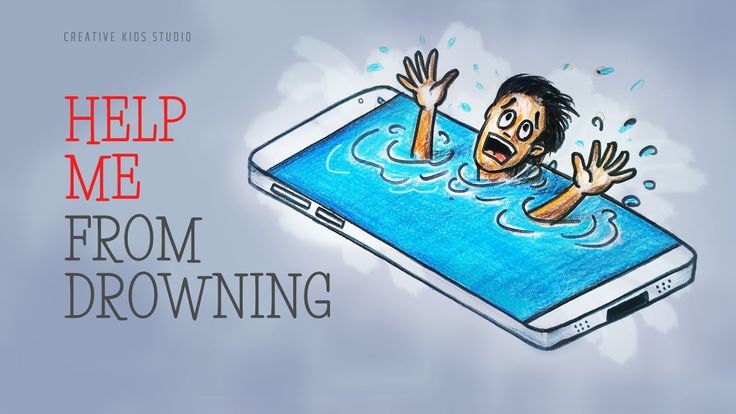
Let’s Be Smarter than Our Smartphones
Mobiles are everywhere in our lives. They are useful, but if we use them too much, they can also create problems.
How Mobiles Affect Our Health
By using mobile phones for long hours, our health gets affected.
-
Our eyes get strained, and sometimes we face vision problems.
-
Sitting with phones for a long time causes neck and back pain because of poor posture.
-
Many children and even adults lose sleep and feel tired because of late-night phone use.
Stress and Social Impact
It’s not only our health. Excess use of mobile phones also affects our mind. Constant notifications create stress and anxiety. We find it harder to pay attention and concentrate on studies. Slowly, it even impacts our relationships. Instead of talking and playing with people, we spend more time looking at a screen.
The Cost Factor
Mobiles are also expensive. Buying and maintaining them, recharging data plans, and adding accessories all cost money. Sometimes, instead of buying good novels or articles to read, we spend on mobile phones.
Tips for Healthy Mobile Phone Use
But don’t worry! There are ways to use mobiles wisely:
-
Set screen time limits for yourself.
-
Decide phone-free zones like bedrooms, dining tables, or study rooms.
-
Engage in physical activities or hobbies to stay active.
-
Balance your time. Use your phone, but also read, play, and socialize with family and friends.
So, mobiles are not bad by themselves. They are like fire — if used carefully, they give us light. If misused, they can burn us. Let’s promise to be smart users of our smartphones.
Thank you for reading! Have a great day.
Chaindavi S J, Grade IV

Print vs. Cursive Handwriting: A Comprehensive Evaluation
Handwriting is a fundamental skill in education, shaping communication, cognitive abilities, and academic success. The debate between print handwriting and cursive handwriting centers on ease of learning, readability, efficiency, and relevance in the digital age. A thorough analysis helps determine the better choice for students.
1. Ease of Learning
Print handwriting is easier to learn as each letter is distinct and matches printed texts, aiding early literacy.
Cursive handwriting requires mastering loops and connections, making it more complex and time-consuming for beginners.
✅ Winner: Print handwriting
2. Legibility & Readability
Print handwriting is clearer, ensuring better comprehension, especially for young learners and in academic settings.
Cursive handwriting can be difficult to read due to connected strokes and inconsistent letter formations.
✅ Winner: Print handwriting
3. Writing Speed & Efficiency
Print handwriting is slightly slower since letters are written separately, but it maintains accuracy and neatness.
Cursive handwriting allows for faster writing as letters flow together, reducing pen lifts, but fluency requires practice.
✅ Winner: Cursive handwriting (for speed)
4. Relevance in the Digital Age
Print handwriting is more practical today, as most printed and digital content uses print-style fonts.
Cursive handwriting, while historically significant, is rarely used in modern communication, reducing its necessity.
✅ Winner: Print handwriting
5. Cognitive & Motor Skill Development
Print handwriting improves letter recognition and fine motor skills, supporting early literacy.
Cursive handwriting may enhance brain coordination and memory due to its continuous flow, but both styles aid cognitive growth.
✅ Tie
6. Accessibility & Inclusivity
Print handwriting is more accessible for children with dyslexia, motor skill difficulties, and left-handed students.
Cursive handwriting can be challenging for struggling learners due to its complex letter connections.
✅ Winner: Print handwriting
7. Cultural & Historical Value
Print handwriting is widely used today but lacks artistic and historical significance.
Cursive handwriting holds cultural value, especially in historical documents and calligraphy, though its daily use has declined.
✅ Winner: Cursive handwriting (for historical importance)
Final Judgement: Print Handwriting is the Better Choice
While cursive handwriting has advantages in speed and cultural significance, print handwriting is more practical for education. It is easier to learn, clearer to read, more inclusive, and aligns with modern communication needs.
Conclusion:
- Print handwriting should be prioritized in early education for better literacy and accessibility.
- Cursive handwriting can be optional, introduced later for artistic and historical purposes.
Considering clarity, usability, and relevance, print handwriting remains the superior choice for students today.

The Natural Path to Language Learning: From Listening to Writing
Language learning follows a natural sequence—listening, speaking, reading, and writing. Just as babies first listen, then speak before learning to read and write, children should also be taught in this order. However, many schools reverse the process, making writing and reading the focus too early. This approach can create unnecessary stress, especially when children are learning a second or third language.
Why Listening and Speaking Should Come First
Children learn language best when they hear and use it in conversation. Listening and speaking are spontaneous, while reading and writing require more effort. When children first understand words through speech, reading and writing become easier. But if they are forced to write before they comprehend the language, they may feel frustrated and lose interest.
For second and third languages, this sequence is even more important. If a child is made to write before they have heard enough of the language, they struggle. But when they listen and speak first, writing becomes a natural extension of their learning.
Learning Should Move from Easy to Difficult
Education should always progress from simple to complex. Listening and speaking come naturally, while reading and writing require practice. If this sequence is reversed, learning becomes mechanical and based on memorization rather than understanding.
A Mulla Nasruddin story illustrates this well. A man was struggling to push a donkey into a river. The donkey resisted stubbornly. Nasruddin whispered something, and the donkey walked into the water. When asked how, he said, “Instead of pushing, I told it to step back. Since donkeys resist force, it moved forward instead.”
This applies to language learning. Forcing children to read and write before they are ready creates resistance. But if they first listen and speak, learning happens naturally.
Avoiding Comparisons and Keeping Learning Joyful
Every child learns at their own pace. Comparing children only adds pressure. Instead, we should let them take one step at a time. Otherwise, they may lose interest, not just in language, but in learning itself.
Language is Key to Learning All Subjects
Many teachers say students lack basics. Often, this is not a subject issue but a language comprehension problem. Every subject—math, science, or social studies—relies on language. If a child cannot understand what they hear or read, they will struggle in all subjects.
Start Early for Better Results
Young children pick up languages effortlessly, but as they grow older, fear of mistakes and peer pressure hinder learning. Starting early with listening and speaking builds confidence and fluency.
By following the natural order of language learning, we help children develop confidence, enjoy learning, and excel in all subjects. Just like in Nasruddin’s story, guiding rather than forcing makes all the difference!
Pavan Kumar N R, Principal

The Power of Being Bold
Hello, dear readers!
Today, I want to share my thoughts on something I truly believe in: the advantages of being bold.
But first—what does it mean to be bold?
Being bold means showing the courage to take risks. It means not being afraid to step forward when something needs to be done. Bold people don’t just wait for things to happen—they make things happen.
Let’s say there’s a problem. Everyone is silent because they’re scared to speak up. But a bold person will come forward and take action. They’ll say, “I’ll help!”—and they really do. And that one step can make all the difference.
Now think about this: If you’re always shy, always sitting in a corner, the world may not notice you. But if you go out, meet new people, and explore life—you will be welcomed everywhere! The world loves people who are curious, kind, and bold enough to connect.
Of course, we will meet all kinds of people. Some people are greedy. They say things like, “I should be first,” or “I’m the only one who deserves this.” They think only about themselves.
But we must not be afraid of them.
We should not run away or stay silent.
We must face them—and show the world that there’s a better way.
Let the world be filled with bold people—people who are brave, kind, and ready to take on challenges.
Let’s be those people.
Thanks for reading! I hope this message encourages you to take a step forward today. Be bold. You never know what doors it might open.
Have a happy and wonderful day!
— Ahana J Matt, 7th Grade